Stronger together
Advancing pediatric thyroid cancer care and research across Europe.

Research Collaboration
Connecting hospitals and experts across Europe to study and improve pediatric thyroid cancer care.

Secure Data Collection
Gathering high-quality, anonymized data to better understand diagnosis, treatment, and outcomes.

Better Care for Children
Turning research into real-world improvements for every child and family affected by thyroid cancer.
About the Registry
The ped-DTC Registry is a European initiative dedicated to children and adolescents with differentiated thyroid carcinoma (DTC). By securely collecting and sharing clinical data across multiple hospitals, we work to improve understanding of this rare cancer and support better treatments and long-term care.
As part of the EuRREB network, the registry brings together experts throughout Europe to harmonize care, drive research, and create a stronger future for patients and families affected by pediatric thyroid cancer.
Working together to improve care and knowledge
Why our centers participate
Motivations from three of the many European centers involved in ped-DTC.
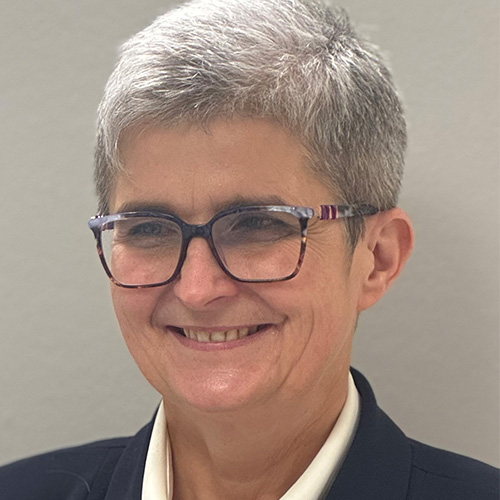
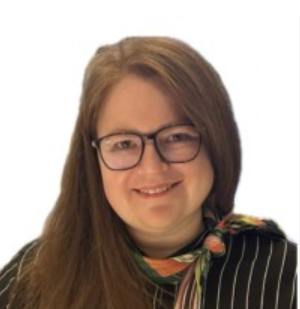
My name is Agnieszka Czarniecka. For 30 years, I have been working at the Maria Sklodowska-Curie National Research Institute of Oncology in Gliwice, Poland, as a surgeon, specializing in endocrine oncological surgery, including surgery of pediatric thyroid carcinoma. I participated in the development of the first European Thyroid Association guidelines for pediatric differentiated carcinoma patients (2022). At that time, we observed that these recommendations are unfortunately based on poor or even very poor evidence. Therefore, I accepted with great enthusiasm the initiative of my friends from the Netherlands to form the international Ped-DTC Registry. Its creation can be useful for better understanding of this rare disease. It can also help specialists observe therapeutic approaches in different countries as well as assess treatment outcomes. Furthermore, it could be the basis for creating more patient-adjusted recommendations in the future. I strongly encourage you to support the project by your active participation.
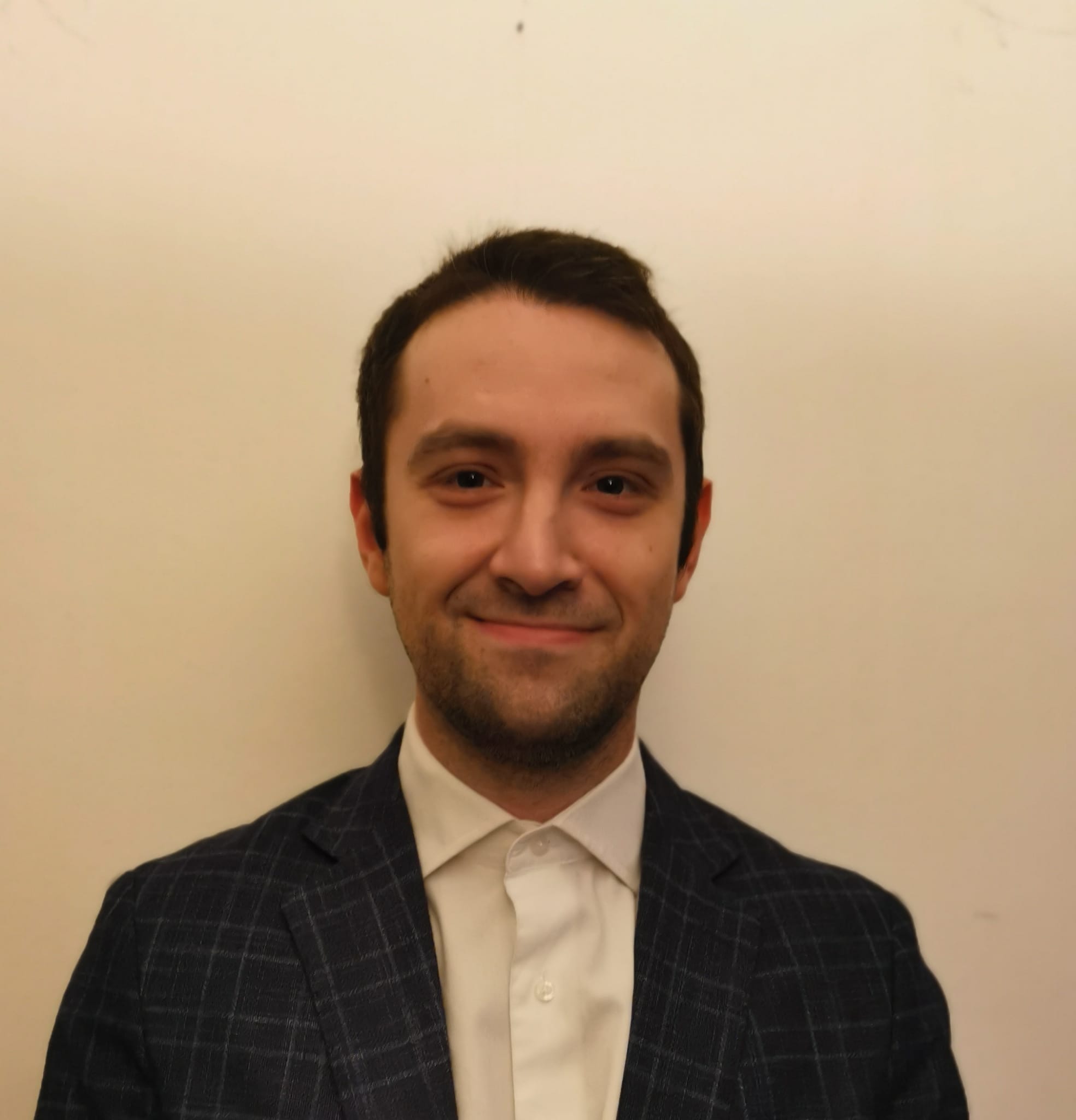
I’m Domenico Albano, associate professor of Nuclear Medicine at Università degli Studi di Brescia and ASST Spedali Civili of Brescia, and I’m happy to be part of the Ped-DTC project.
Joining the Ped-DTC Registry was a clear and personal choice because it directly addresses a critical need: improving treatment outcomes for children affected by DTC. This is an international collaboration that involves diverse specialists, all experts in pediatric DTC.
The project’s goal is to create a centralized, pan-European platform to collect and share high-quality, real-world data. This is the only way to establish best-practice guidelines specifically for children. Given the rarity of pediatric DTC, individual institutions often lack the volume of cases needed for definitive, evidence-based guidelines. By uniting experts and data from across Europe, the Ped-DTC Registry can overcome the limitations of small-scale, single-center studies
I am Ruta Navardauskaite, a pediatric endocrinologist and Associate Professor at the Lithuanian University of Health Sciences, Kaunas Clinics. My main areas of interest include rare endocrine disorders, thyroid diseases in children, and growth abnormalities.
I am very excited to join this collaborative initiative aimed at developing pre- and post-operative prediction models for persistent and recurrent pediatric differentiated thyroid cancer. In recent years, we have observed an increasing incidence of thyroid cancer in children, likely related to improved diagnostic awareness and the wider use of thyroid ultrasound in pediatric endocrinology.
Participation in this Ped-DTC Registry and the STRATIFY study is particularly valuable for our Lithuanian centre, which represents a relatively homogeneous population with low immigration rates. Inclusion of such a population may help reveal epidemiological and biological patterns, including possible epigenetic variations influenced by geographic factors and historical environmental exposures.

Participating Centres
How does the registry work?
Data collection – secure & anonymized
We gather standardized clinical information from patients across Europe, stored safely and always anonymized.
Research & collaboration – shared knowledge
By combining data from many centers, researchers can answer important questions and launch new studies.
Better care – improving outcomes
Insights from the registry are applied to optimize diagnosis, treatment, and long-term follow-up for every child.